April 2026 | Colorado Mountain Realty | Anne Skinner, Summit County Real Estate Expert
TL;DR
High-altitude light is stronger, air is drier, and spring transitions are more dramatic in Summit County than at lower elevations. A thoughtful spring refresh — lighter textiles, maximized natural light, simplified spaces — makes your mountain home feel more alive and photographs and shows significantly better if you’re preparing to sell.
Read on for a room-by-room approach built specifically for high-altitude homes.
There is a specific moment in Summit County every spring when the light changes.
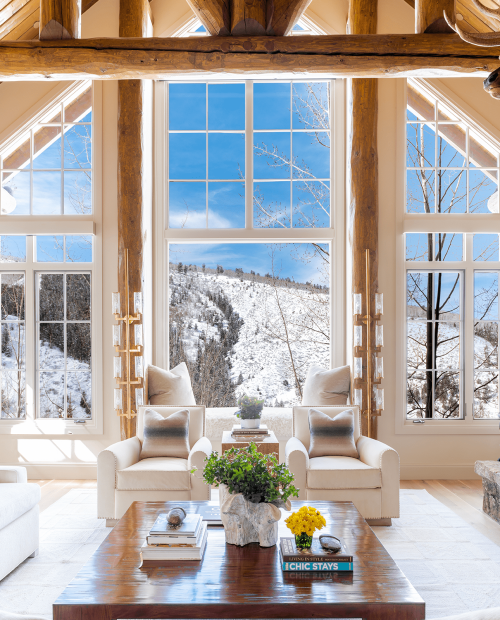
The days stretch longer. The sun climbs higher over the Gore Range. Light that spent all winter arriving at low angles now floods through windows with a directness and intensity that changes everything, how rooms feel, how colors read, how your home presents to the world. What felt warm and enveloping in January can feel heavy and shadowed by April.
A spring interior refresh in a mountain home isn’t about following a design trend. It’s about responding intelligently to the environment, the elevation, the light quality, the seasonal rhythm of how people live in Breckenridge, Frisco, Keystone, Dillon, and Silverthorne between April and June.
Whether you’re refreshing a primary residence, preparing a second home for the season, or positioning a luxury property for the spring market, the principles are the same: let light lead, simplify with intention, and let the mountain landscape do the work it was always meant to do.
At elevation, sunlight is not the same as it is at lower altitudes. The atmosphere is thinner, UV intensity is higher, and the quality of light, its color temperature, its angle, its movement through a room, is fundamentally different. This is one of the defining characteristics of mountain home design, and it’s most pronounced in spring when the sun returns with full intensity after months of low winter angles.
To work with high-altitude spring light rather than against it:
• Replace heavy winter drapes with sheer linen or light-filtering panels that soften direct sun without blocking views of the surrounding landscape
• Clean windows inside and out. At elevation, mineral deposits and condensation residue accumulate faster and dull the quality of light entering the home
• Reposition furniture to open sightlines and allow light to travel deeper into interior spaces
• Add mirrors strategically to amplify natural light without increasing glare
For luxury properties preparing for the spring market, this step alone has an outsized impact. Real estate photography at altitude in spring produces stunning results when windows are clean, light is unobstructed, and the Gore Range or Lake Dillon fills the frame. That first image in a listing is often the deciding factor in whether a qualified buyer schedules a showing.
Mountain interiors in winter are designed for a specific experience: warmth, texture, and the layered comfort of a retreat from the cold. That design language serves its purpose beautifully from November through March. By April, it can make a home feel closed-off, heavy, and seasonally misaligned.
The spring transition in textiles is about refinement, not replacement:
• Store heavy wool throws and replace them with washed linen or light cotton blankets in warm whites and natural stone tones
• Rotate out dark or deeply saturated pillow covers for muted sage, dusty clay, or soft cream, tones that read as grounded and luxurious rather than trendy
• In bedrooms, swap flannel or velvet duvet covers for percale or linen. The visual lightness alone shifts how the room feels
• Reduce the number of layers on sofas and accent chairs. Simplicity signals sophistication in a well-edited luxury space
The goal is not minimalism for its own sake. It’s a more confident, edited version of the warmth that defines mountain living. A Breckenridge or Keystone property that achieves this balance will feel immediately compelling to a spring buyer who arrived from a city apartment and is imagining life in the mountains.
This is the section most general interior design advice misses entirely, and it’s the most important consideration for Summit County homes.
Strong spring sunlight at 9,000–10,000 feet behaves differently inside a home than it does at lower elevations. Colors that tested beautifully at a Denver paint store can read as harsh, washed out, or overly intense when bathed in high-altitude spring light. Dark accent walls that felt dramatic in winter can feel oppressive by May. Bold, saturated colors that look editorial in a magazine can feel jarring when sunlight is striking them at full intensity for eight hours a day.
• Soft whites with warm undertones. Avoid pure cool whites, which can feel clinical and stark under intense mountain light
• Warm neutrals in the greige, taupe, and sandstone range. These anchor a space without fighting the light
• Matte and satin finishes on walls and cabinetry to reduce glare. High-gloss surfaces amplify the intensity of direct spring sun
• Natural textures, raw wood, linen, stone, rattan, that absorb and diffuse light rather than reflecting it
The most sophisticated mountain interiors create visual interest through layering of texture and tone rather than color contrast. A reclaimed wood beam against a warm white wall. A stone fireplace surround alongside linen seating. Blackened steel hardware against weathered oak cabinetry. These combinations feel intentional and elevated — and they photograph beautifully at any season.
For current direction on how design leaders approach seasonal interiors at this level, Architectural Digest (architecturaldigest.com) is a consistently authoritative reference for luxury interior trends in mountain and resort markets.
The most compelling spring refreshes in luxury mountain homes are rarely about what was added. They’re about what was edited. A well-curated space communicates confidence and quality more effectively than a space that has simply accumulated more things.
• Replace warm amber bulbs used in winter with slightly cooler, higher-CRI bulbs that complement spring’s natural light rather than competing with it
• Update cabinet and fixture hardware if it has dated the kitchen or bathrooms. Brushed brass, matte black, and unlacquered bronze are the current benchmarks in luxury mountain design
• Rotate in artwork that reflects the spring and summer mountain environment, alpine meadow photography, abstract works in sage and ochre, or sculptural pieces in natural stone and wood
• Remove seasonal accessories that no longer serve the space. A curated selection of three to five intentional pieces reads as luxury; a surface covered in objects reads as clutter regardless of the individual quality of each piece
Mountain homes have a distinct sensory environment, the dry air, the altitude, the absence of urban background noise. Spring is an opportunity to refresh the olfactory experience of your home. Replace winter’s heavier cedar and smoke-adjacent scents with lighter profiles: green stems, white tea, wild sage, or alpine mineral. For showings, this layer of sensory detail is often more memorable than buyers consciously realize.
Spring in Summit County is a transition not just in aesthetics but in lifestyle. Ski boots give way to trail runners. Powder skis are stored and bikes come out. The mudroom that was organized around a specific winter routine needs to adapt. Your home should reflect how you actually live, or how a buyer will imagine living, in the mountains from April through June.
• Clear winter gear and ski equipment. Store or stage with care, as cluttered entry points are one of the most common staging mistakes in mountain properties
• Create visible, organized storage for hiking gear, bike accessories, and outdoor layers. A well-organized mudroom signals thoughtful design and elevated function
• Add a durable, high-quality entry rug in a natural material, jute, sisal, or performance wool, that handles the mud and moisture of spring trail access while maintaining a luxury presentation
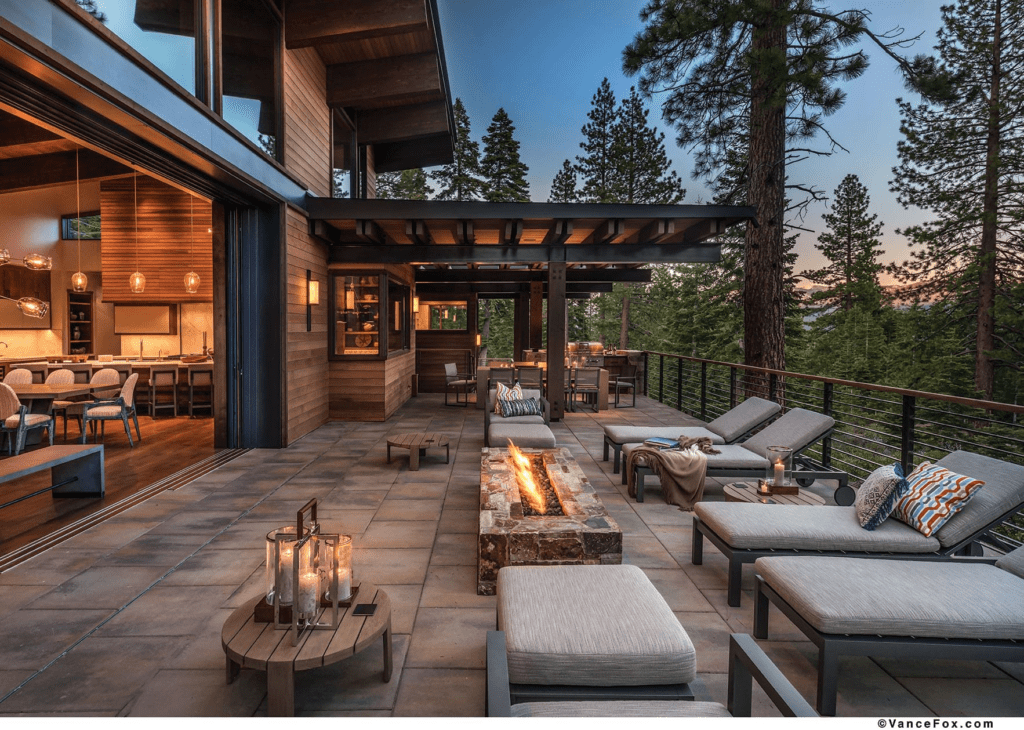
In Summit County, outdoor living spaces, decks, patios, hot tub surrounds, are not secondary features. For many luxury buyers, they are the primary driver of a purchase decision. Spring is the moment to restore these spaces fully: clean furniture, refresh cushions, ensure the hot tub is pristine and operational, and confirm that deck railings and surfaces came through winter in excellent condition. A deck with a Gore Range view that is clean, staged, and ready to use will often close a sale that the interior alone could not.
Spring is one of the most active buyer seasons in Summit County real estate. Inventory begins to increase, buyers who deferred decisions during peak ski season return with renewed focus, and the market enters a window where well-presented properties have a meaningful advantage over those that haven’t been updated since winter.
The connection between presentation and outcome in the luxury segment is direct. A property that photographs and shows with brightness, clarity, and a sense of seasonal alignment commands attention in a competitive listing environment. Buyers in this market are not just evaluating square footage and location, they are evaluating a lifestyle. Your home needs to make that lifestyle feel immediately attainable.
For a full picture of how the market shifts by season and what that means for buyers and sellers in Breckenridge, Frisco, Keystone, and across Summit County, see our guide to Summit County Real Estate Market Seasonality.
→ Curious what your home is worth in today’s spring market? Request a complimentary home valuation →
How should I decorate a mountain home for spring at high altitude?
Focus on working with the intensity of high-altitude spring light rather than against it. Choose soft whites and warm neutrals with matte finishes, swap heavy winter textiles for linen and cotton, maximize natural light through clean windows and repositioned furniture, and simplify accessories to let the space breathe. The mountain landscape itself is your most powerful design element. Let it be visible.
Does staging really make a difference when selling a luxury home in Summit County?
Yes, and in the luxury segment, the impact is amplified. Buyers purchasing at the upper end of the Summit County market are not just buying square footage; they are buying a vision of mountain life. A home that presents that vision clearly and compellingly, in listing photography, in virtual tours, and in person, consistently outperforms comparable properties that have not been thoughtfully staged.
What paint colors work best in high-altitude mountain homes?
Soft whites with warm undertones (avoid cool or pure whites), warm greiges and taupe neutrals, and muted earth tones in the sandstone and clay range perform best. Strong spring sunlight at elevation can make bold or highly saturated colors feel overpowering. Test any color in your actual space across different times of day before committing. Mountain light changes dramatically from morning to afternoon.
What are the highest-impact updates for a mountain home before listing in spring?
In order of impact: deep-clean and restore outdoor living spaces (decks, patios, hot tubs); maximize natural light through clean windows and lighter window treatments; update or replace dated hardware and lighting fixtures; refresh textiles with lighter seasonal options; and declutter to a curated, edited selection of accessories. These updates require minimal investment but produce significant results in photography and showings.
When is the best time to list a home in Summit County?
Spring and winter are the two strongest listing seasons in Summit County, each serving a different buyer profile. For a detailed breakdown of how the market shifts by season and how to position your home for maximum result, see our full guide: Summit County Real Estate Market Seasonality.
Ready to Prepare Your Mountain Home for the Spring Market?
Spring is one of the most active windows in the Summit County real estate market. Whether you’re refreshing a second home for the season or preparing a luxury property to list, the way your home presents — visually, spatially, and experientially — has a direct impact on your outcome. Our team works closely with sellers on preparation strategy before a property ever reaches the market.
Get Your Complimentary Home Valuation →
Schedule a Conversation with the Colorado Mountain Realty Team →