
TL;DR
At 9,000-plus feet, Summit County’s intense ultraviolet light and bone-dry air punish materials that would last for decades at sea level. The finishes, fabrics, and window treatments you choose decide how a mountain home ages, photographs, and holds its value.
Here’s how to design for altitude, and the local specialists who can help.
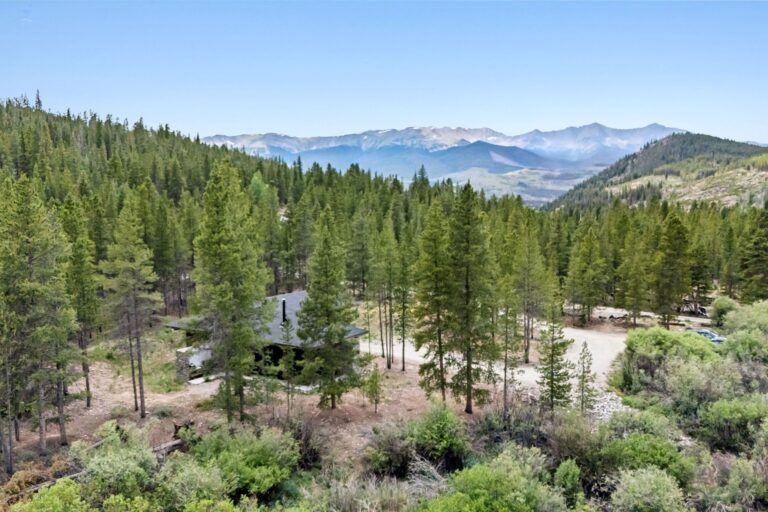
Stand in a south-facing great room in Breckenridge on a clear afternoon in late June and you can almost watch the sun working. At 9,600 feet, the light pouring through the glass carries far more ultraviolet energy than the same afternoon would at sea level, and the air it moves through holds a small fraction of the moisture. Those two forces, intense UV and chronic dryness, are the quiet reason a beautiful mountain home can begin to look tired years before its owners expect it to. Designing for altitude is what separates a Summit County home that ages gracefully from one that fades, cracks, and dates.
Ultraviolet exposure climbs with elevation because there is less atmosphere overhead to filter it. The U.S. Environmental Protection Agency notes that UV intensity rises measurably with altitude, and the towns of the Summit County and Eagle County corridor sit high: Frisco and Breckenridge near 9,000 to 9,600 feet, Dillon and Silverthorne a little lower, and Copper Mountain and the upper Vail Valley higher still. The same sun that gently warms a Denver living room is a genuinely aggressive force on materials in a home above 9,000 feet.
The second factor is the air. Mountain humidity in Summit County routinely falls into the teens and single digits, especially through the long winter. Dry air pulls moisture out of wood, leather, millwork, and artwork, and it does so relentlessly. A material specified for a humid coastal climate will behave very differently in Breckenridge or Vail. The homes that look effortless here are the ones designed for these exact conditions rather than pulled from a national catalogue.
Wood is where dry air shows itself first. Wide-plank floors, ceiling beams, and custom millwork all lose moisture at altitude, which leads to shrinkage, gapping, and surface checking if the material was not properly acclimated before installation. Engineered wood flooring is more dimensionally stable than solid plank in this climate, and matte or wire-brushed finishes disguise the small movements that dry air inevitably causes. The single most effective protection is whole-home humidification kept at a steady level, which spares floors, doors, and cabinetry from the worst of the swing.
Stone and tile, by contrast, are almost perfectly suited to the mountains. Natural stone, quartzite, and porcelain shrug off both UV and dryness, and they carry the weight and variation that luxury buyers in Breckenridge and the Vail Valley respond to. Local design resources such as Collective Design in Frisco and Summit Design Center in Silverthorne specify these materials every day for high-altitude homes, and they understand which finishes read as timeless rather than trend-driven. On painted surfaces, warm earth-tone palettes in flat and matte finishes wear well, though it is worth choosing quality, fade-resistant lines for the walls that take direct afternoon sun.
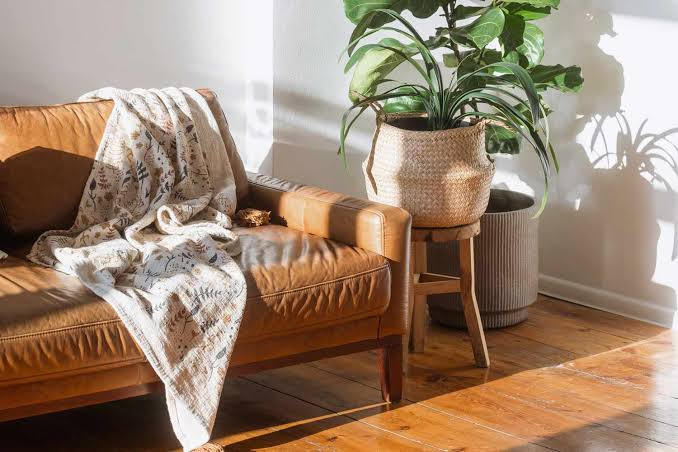
Textiles are the most visible casualty of high-altitude sun. A sofa or drapery panel positioned in a sunny window can lose its color noticeably within a couple of seasons if the fabric was not chosen for the exposure. The reliable answer is performance fabric, where the pigment is locked into solution-dyed fibers rather than printed on the surface, so the color runs all the way through and resists fading even under steady UV. Design publications like Architectural Digest have chronicled how far performance textiles have come, to the point that they now sit comfortably in genuinely luxurious mountain interiors.
Drapery deserves the same thought. A quality lining acts as a shield between the sun and the decorative face fabric, extending its life considerably. Wool and other natural fibers handle the dry mountain air gracefully, while unprotected silk on a south-facing window is a short-lived choice. Leather looks wonderful in a Colorado home but wants humidity to stay supple, another reason a whole-home humidification plan pays off. The design showrooms across the corridor, including Harmony Interiors, handle custom upholstery and drapery specified for these conditions.
The most efficient way to design for altitude and protect everything else in the room is to manage the light before it lands. This is the real job of window treatments in a mountain home, and it is a balancing act, because the views through that glass are often the single most valuable feature of the property. The goal is to filter ultraviolet light without giving up the sightlines to the Ten Mile Range or the Gore Range.
Solar and roller shades with a low openness factor cut a large share of UV while preserving the view, and motorization makes them practical on the tall glass walls and retractable panels that define modern mountain homes. Cellular, or honeycomb, shades add real insulation against the dramatic temperature swings at elevation, a benefit the U.S. Department of Energy documents in its guidance on energy-efficient window coverings. For the glass itself, low-emissivity glazing and UV-filtering window film protect floors, art, and furnishings across the whole room.
Locally, Summit Custom Blinds serves Breckenridge, Frisco, Silverthorne, Dillon, and Keystone, Mountain Comfort Furnishings in Frisco carries motorized and specialty shades, and Vail Design Center in Edwards handles solar shades, natural woven shades, and custom drapery for the Eagle County side of the corridor.
➤ See how design-ready mountain homes are presented
Beyond the surfaces buyers see first, the dry air at altitude quietly works on the things owners care most about. Fine millwork and cabinetry, a piano, a wine collection, and framed art all suffer when humidity runs into the single digits. A whole-home humidification system is the foundation, holding the interior at a stable level that keeps wood from cracking and art from drying.
For meaningful pieces, UV-filtering glazing in the frames prevents the sun from washing out a work over time, and thoughtful placement keeps the most delicate items off the walls that take direct afternoon light. These are the details that make a high-altitude home feel considered, and they are exactly what a discerning buyer notices.
Design choices made for altitude are not only about comfort. They shape how a property shows and what it ultimately sells for. A home with gapped floors, sun-bleached upholstery, and faded drapery reads to a prepared buyer as deferred maintenance, and it invites a price concession. A home finished in materials chosen for the conditions photographs beautifully, ages in place, and signals that the owner made careful decisions. In the current Summit County and Eagle County market, where presentation carries more weight than it has in years, that difference is measurable.
If you are preparing to sell, a focused set of updates aimed at these altitude realities, updated window treatments, refreshed sun-facing fabrics, and a humidification plan, often returns more than a broad renovation. If you are buying, the same list is a quiet inspection checklist for how well a property has been cared for.
➤ Find out what your Summit County home is worth before you invest in updates
Does high altitude really fade furniture and floors faster?
Yes. Ultraviolet intensity increases with elevation because there is less atmosphere to filter it, a relationship documented by the U.S. Environmental Protection Agency. In Summit County towns sitting near or above 9,000 feet, such as Breckenridge and Frisco, sun-facing fabrics, wood floors, and artwork can fade noticeably faster than they would at lower elevations. Choosing fade-resistant materials and managing the light with the right window treatments is what prevents it.
How do I stop my mountain home’s wood floors from gapping and cracking?
The main culprit is dry air pulling moisture out of the wood. Use engineered wood flooring, which is more dimensionally stable than solid plank at altitude, make sure any wood is properly acclimated before installation, and run a whole-home humidification system to hold indoor humidity at a steady level through the winter. Matte and wire-brushed finishes also disguise the small seasonal movement that dry mountain air causes.
What are the best window treatments for a high-altitude home with big views?
Solar and roller shades with a low openness factor block a large share of ultraviolet light while keeping the view intact, which matters when the scenery is the home’s best feature. Motorization makes them practical on tall glass walls, cellular shades add insulation against elevation temperature swings, and low-emissivity glazing or UV-filtering window film protects the whole room. Local specialists in Summit County and the Vail Valley can match the right system to each exposure.
What fabrics hold up best in a Colorado mountain home?
Performance fabrics with solution-dyed fibers resist fading because the color runs through the fiber rather than sitting on the surface, making them ideal for sun-facing furniture and drapery. Wool and other natural fibers handle dry mountain air well, and lined drapery protects the decorative face fabric from direct sun. Unprotected silk on a south-facing window tends to fade quickly and is best avoided or shielded.
Do I need a humidifier in a Summit County home?
In most cases, yes. Winter humidity in Summit County and Eagle County frequently drops into the teens and single digits, which is hard on wood floors, millwork, leather, artwork, and even comfort. A whole-home humidification system that holds the interior at a stable level is one of the most protective investments an owner at altitude can make.
Preparing a mountain home to live in, or to sell? The right materials do more than look good at 9,000 feet. They protect your investment and shape how a property shows when it comes time to sell. Anne Skinner and The Skinner Team understand how design choices read to luxury buyers across Breckenridge, Frisco, Keystone, Dillon, Silverthorne, Copper Mountain, Vail, and Beaver Creek, and where your dollars make the biggest difference before you list. |




Disclaimer: All information contained in this web site is deemed reliable but not guaranteed. All properties are subject to prior sale, change or withdrawal notice. COMtnRealty.com believes all information to be correct but assumes no legal responsibility for accuracy.


