
TL;DR: Home oxygenation systems, which raise oxygen levels in a room to simulate a lower elevation, have gone from a niche installation to a mainstream amenity request across Summit and Eagle County. Here is how the systems work, what they cost, and what buyers and owners should know before installing one.
Five years ago, a home oxygenation system was a novelty most buyers had never heard of. Today, one of the industry’s larger installers is completing 300 to 400 residential projects a year, up from roughly 50 annually five years ago, and the client base has expanded well beyond tourists and second-homeowners to include longtime residents who are not ready to leave the mountains as altitude becomes harder on their bodies. That shift is turning what used to be a curiosity into a real design and value consideration for homes across Summit County and Eagle County.
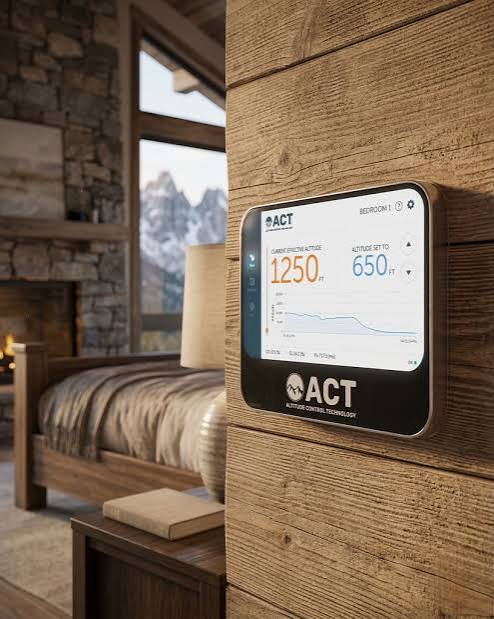
Home oxygenation is not a medical device and does not involve piped-in medical oxygen. Systems extract outside air, separate the oxygen from the nitrogen, and pump the concentrated oxygen into a designated room or set of rooms. That process raises the oxygen content of the air from its natural 20 to 21 percent up to roughly 26 to 27 percent, which effectively simulates an elevation 1,000 to 1,500 feet lower than where the home actually sits. A primary suite in Breckenridge, at roughly 9,600 feet, can be made to feel closer to 8,000 feet without anyone leaving the room.
More than 60 percent of people living or staying above 7,000 feet experience some form of altitude-related symptom, including headaches, fatigue, dizziness, nausea, shortness of breath, and disrupted sleep. Sleep disruption in particular is the single biggest driver behind why people install a home oxygenation system in the first place. There is also an aging-in-place dimension to this trend. Blood oxygen levels naturally decline with age, and for longtime mountain residents in their 60s and beyond, that decline can make a home at 9,000 or 10,000 feet noticeably harder to live in comfortably than it was a decade earlier, even without any change to the property itself.
The scale of the shift is well documented. Altitude Control Technology, one of the more established installers serving Colorado’s high country, reported completing about 50 projects a year five years ago compared with 300 to 400 a year now. Coverage of the trend in national outlets, including a Wall Street Journal feature in late 2024, brought broader visibility to a category that had existed in a smaller form since the mid-1990s. What has changed most is who is asking for it. The client list used to skew toward vacationers and second-homeowners managing short visits at altitude. It now regularly includes full-time locals who are trying to stay in the community they have lived in for years rather than relocate to lower elevation as altitude becomes harder to tolerate.
Scope and cost for a home oxygenation system vary widely depending on how much of a home is covered. A single-room installation, most commonly a primary bedroom, typically runs in the range of 15,000 to 20,000 dollars. Whole-home systems, which require more extensive ductwork and equipment, range from roughly 30,000 dollars into six figures depending on square footage and the number of rooms served. Buyers evaluating a property that already has a system installed should ask which rooms are served, when the equipment was installed, and what ongoing maintenance the system requires, the same way they would ask about any other mechanical system in the home.
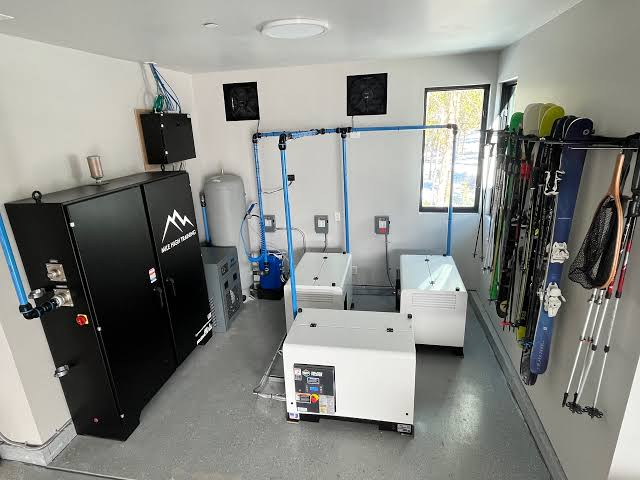
This is not a hypothetical trend for Summit and Eagle County. Installations are already in place across Breckenridge, Frisco, and Avon, and the amenity has reached the top of the luxury market with its inclusion in the roughly one billion dollar Four Seasons project in Mountain Village. Comparable high-elevation resort markets, including Aspen and Telluride, are seeing similar demand, which suggests this is becoming a standard consideration in high-altitude luxury construction rather than a passing feature.
Home oxygenation systems are not yet addressed in most municipal building codes, which means regulatory oversight is limited and safety practices are largely set by the installer rather than a uniform standard. On the fire safety question specifically, Summit County Fire & EMS has stated that the oxygen increase involved, typically a percentage point or two, is not enough to meaningfully raise the likelihood of a fire starting. Oxygen itself is not flammable, but it is an oxidizer, meaning it can accelerate combustion of nearby materials if a fire were to start. Reputable installers account for this by placing oxygen outlets away from drapes and other flammable materials as part of standard design. Buyers or owners considering a system should ask any installer directly how they address that placement.
Home oxygenation is following a pattern familiar to anyone who has watched other amenities move from novelty to expectation in the luxury mountain market. A home theater or a dedicated wine room did not used to be assumed features either. For buyers evaluating new construction or a major renovation at altitude, it is worth asking whether oxygenation has been considered in the mechanical plan, since retrofitting after the fact is more disruptive than designing for it up front. For general guidance on adjusting to life at elevation beyond mechanical systems, our Life at High Altitude: Homeowner Tips guide covers the broader picture.
What is a home oxygenation system?
A home oxygenation system is a non-medical installation that raises the oxygen content of the air in a room, typically from the natural 20 to 21 percent up to about 26 to 27 percent. This simulates an elevation roughly 1,000 to 1,500 feet lower than the home’s actual altitude and is most commonly installed in bedrooms to improve sleep.
How much does it cost to install a home oxygenation system?
A single-room home oxygenation system typically costs between 15,000 and 20,000 dollars. Whole-home systems, which require more extensive ductwork, range from around 30,000 dollars into six figures depending on the size of the home and the number of rooms served.
Are home oxygenation systems safe?
Summit County Fire & EMS has stated that the oxygen increase involved, generally a percentage point or two, is not enough to meaningfully raise fire risk. Oxygen is not flammable but does act as an oxidizer, so reputable installers place oxygen outlets away from flammable materials such as drapes as a standard safety practice.
Why are more people installing oxygen systems in mountain homes?
The leading reason is sleep disruption at high elevation, since more than 60 percent of people living or staying above 7,000 feet experience some altitude-related symptom. A growing share of demand also comes from longtime residents whose blood oxygen naturally declines with age, making it harder to comfortably remain at altitude without some adjustment.
Are home oxygenation systems only for luxury homes?
A home oxygenation system is most common in the luxury segment today, in part because of installation cost, but demand has broadened beyond tourists and second-homeowners to include full-time local residents. As adoption grows, and as more new construction accounts for oxygenation in the mechanical plan from the start, the amenity is becoming less exclusive to top-tier properties than it was even a few years ago.
Curious how an amenity like this factors into a property’s value?
Anne Skinner and The Skinner Team can walk you through how a home oxygenation system factors into how today’s buyers are evaluating properties across Summit County and Eagle County.
Get a Home Valuation | Contact The Skinner Team
© 2026 The Skinner Team | 970-547-0545 | COMtnRealty.com




Disclaimer: All information contained in this web site is deemed reliable but not guaranteed. All properties are subject to prior sale, change or withdrawal notice. COMtnRealty.com believes all information to be correct but assumes no legal responsibility for accuracy.


