
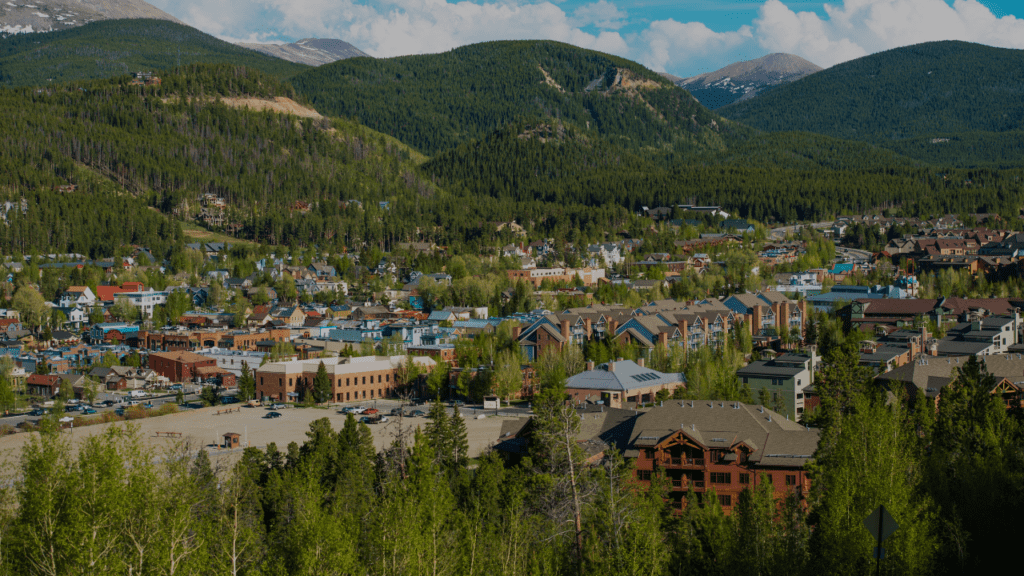
Buying a second home in the Colorado mountains is often driven by lifestyle. Crisp air, expansive views, quick access to outdoor recreation, and a slower pace are all part of the appeal, especially in high-elevation communities throughout Summit County and Eagle County. But living at 9,000 feet or higher comes with unique considerations that many first-time mountain homeowners do not anticipate.
Whether you plan to use your mountain property as a weekend retreat in Frisco, a seasonal escape near Breckenridge or Keystone, or a future full-time residence, understanding how altitude affects your body, your home, and your day-to-day routines can make the transition smoother and far more enjoyable.
One of the first things new mountain homeowners notice, particularly those purchasing in areas like Silverthorne or Dillon, is how altitude impacts the human body. At higher elevations, oxygen levels are lower, which can lead to temporary fatigue, headaches, or shortness of breath, especially for visitors arriving from lower elevations.
Hydration is essential. Drinking more water than usual helps your body acclimate and reduces altitude-related discomfort. Many homeowners keep extra water on hand for guests and encourage slower-paced activities during the first day or two of a visit.
It is also common for visitors to feel tired earlier in the evening or notice changes in sleep patterns. These effects usually pass as the body adjusts, but being prepared helps ensure a positive experience for you and your guests.
High elevation does not just impact people. Homeowners in mountain towns such as Vail and Beaver Creek experience these differences firsthand. It also affects how homes function, especially systems that were originally designed for lower elevations.
Certain appliances may require altitude adjustments to operate efficiently. Gas ranges, furnaces, water heaters, and fireplaces often need specific calibration to account for thinner air. Homes built specifically for mountain environments typically address this during construction, but buyers purchasing resale properties should confirm systems are properly adjusted.
Regular maintenance is especially important in mountain climates. Colder temperatures, snow loads, and elevation-related wear can impact HVAC systems, roofing, and plumbing more quickly than in lower-elevation homes.
Many homeowners are surprised to learn that cooking behaves differently at altitude. Water boils at a lower temperature, which can increase cooking times and affect baking results. Simple adjustments, such as increasing liquid content or extending cook times, quickly become second nature with experience.
For buyers who plan to entertain frequently, this is a small but important lifestyle shift to be aware of.
Landscaping at high altitude requires a different approach than in lower elevations. Shorter growing seasons, colder nights, wind exposure, and wildlife all influence what will thrive.
In many high-alpine communities throughout Summit County and Eagle County, native and low-maintenance plants perform best. Certain grasses, shrubs, and trees simply will not survive above tree line or in harsher alpine conditions. Many second-home owners choose natural landscaping that blends with the environment and reduces maintenance, especially if the home is vacant for extended periods.
Snow management is another key factor. Driveway orientation, roof design, and access points should be considered carefully, particularly for winter use properties.
Second-home buyers in destinations like Breckenridge, Keystone, and Beaver Creek often plan to host friends and family who may not be accustomed to altitude. Setting expectations ahead of time goes a long way toward creating positive experiences.
Providing guidance on hydration, activity levels, and acclimation can help guests enjoy their stay. Many mountain homeowners also invest in smart home technology to monitor temperature, humidity, and security when the property is unoccupied.
If your home will sit vacant between visits, professional property management or regular check-ins are highly recommended to protect systems during extreme weather.
While high-altitude living comes with adjustments, most homeowners agree the benefits far outweigh the learning curve. Mountain homes offer privacy, scenery, recreation, and a sense of retreat that is difficult to replicate elsewhere.
Understanding these nuances before you buy allows you to choose the right property, location, and systems for your lifestyle goals. It also helps ensure your mountain home remains a source of enjoyment rather than surprise.
If you are considering purchasing a second home in a high-elevation market such as Summit County or Eagle County, working with a local team that understands these factors can make all the difference.




Disclaimer: All information contained in this web site is deemed reliable but not guaranteed. All properties are subject to prior sale, change or withdrawal notice. COMtnRealty.com believes all information to be correct but assumes no legal responsibility for accuracy.


