
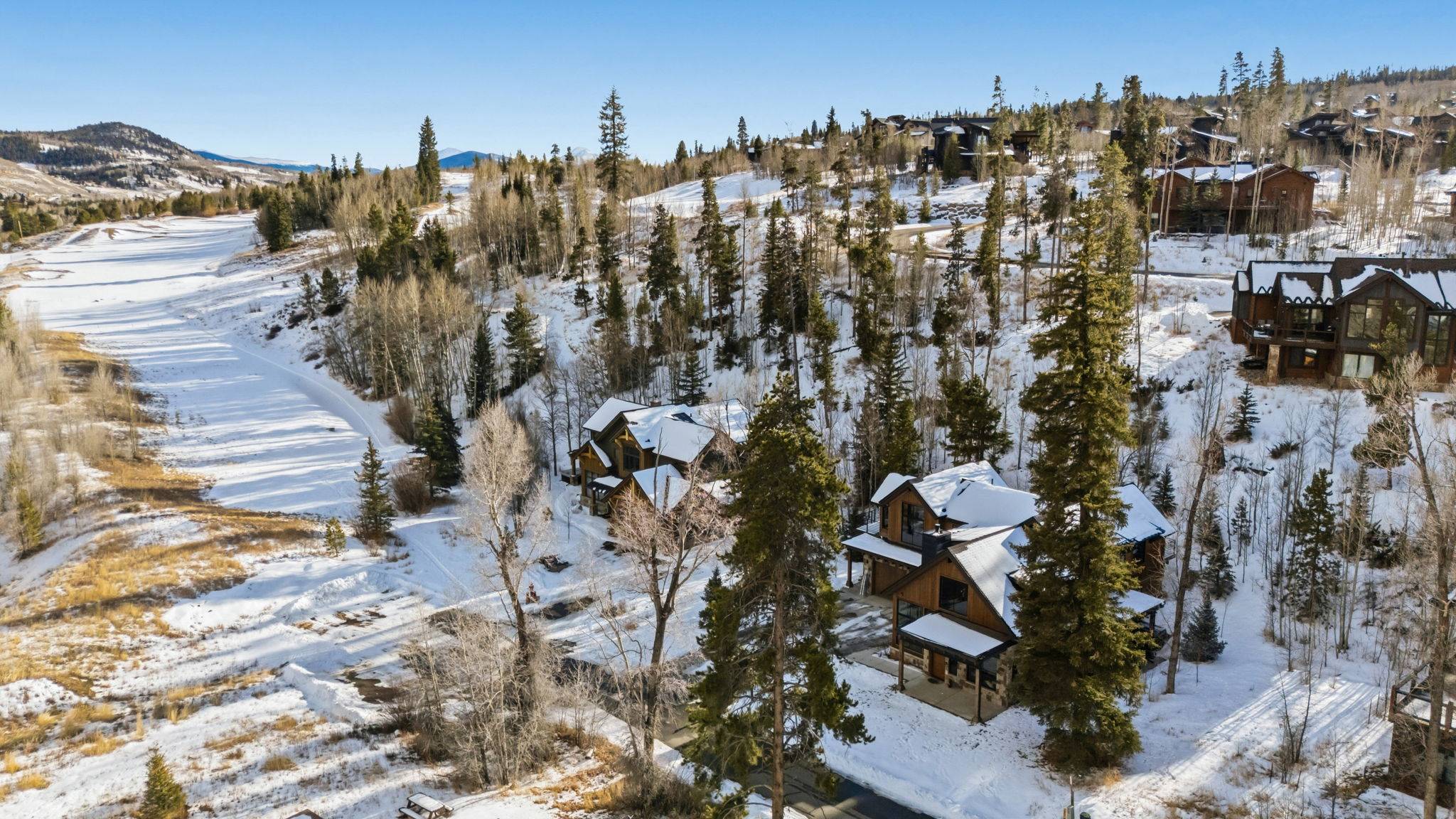
Insuring a mountain home in Colorado requires a very different approach than insuring a primary residence in a suburban or urban setting.
Elevation, extreme weather, wildfire exposure, seasonal occupancy, and rental use all influence how insurance policies are written, priced, and approved.
For buyers considering property in Summit County, Eagle County, and surrounding mountain communities, understanding these differences early is essential to avoiding coverage gaps, unexpected costs, or last-minute closing delays.
Whether you’re purchasing a second home in Frisco, a ski condo in Breckenridge, or a luxury retreat near Vail, mountain home insurance should be part of your buying strategy from day one.
This guide explains why mountain properties face unique insurance requirements, what insurers look for, and how buyers can plan to protect both their investment and peace of mind.
Mountain properties are evaluated differently by insurance carriers because they face higher environmental and logistical risks than homes at lower elevations.
In Summit County, many properties sit between 8,800 and 10,500 feet, while parts of Eagle County range even higher in surrounding terrain. These conditions directly impact underwriting decisions.
Insurance companies closely assess:
Homes that are unoccupied for long periods’ common with second homes and vacation properties—carry additional risk. Undetected leaks, frozen pipes, or delayed maintenance issues can quickly turn into major claims.
Because of these variables, not all national insurance carriers write policies for high-elevation properties, and those that do often impose stricter requirements than buyers expect.
Wildfire exposure has become one of the most critical factors in mountain home insurance availability across Colorado.
Many areas of Summit and Eagle Counties are surrounded by national forest, open space, or wooded terrain, placing homes in moderate-to-high wildfire risk zones.
Most carriers now require documented wildfire mitigation before issuing or renewing a policy. This may include:
In some cases, insurers request photos or on-site inspections before binding coverage. Properties without mitigation may face higher premiums, coverage exclusions, or outright denial.
Certain neighborhoods in Summit County particularly in areas like Wildernest, Blue River, and forested zones outside town limits require proof of mitigation work.
Eagle County follows similar standards, especially in communities near Avon, Edwards, and Minturn.
Understanding these requirements early allows buyers to:
Snow defines mountain living, but it also plays a major role in insurance underwriting.
Insurers evaluate:
Flat or low-pitch roofs not engineered for alpine environments are a red flag. Older roofs, even if functional, may trigger higher deductibles or reduced replacement coverage.
In Summit County, where annual snowfall regularly exceeds 300 inches, insurers expect roofs to be specifically designed for mountain conditions.
Buyers should review roof age and material disclosures carefully and factor potential replacement costs into negotiations.
Cold temperatures introduce another major insurance concern: freeze-related damage.
Insurance carriers often ask:
Homes left vacant without safeguards are more likely to experience frozen pipes, one of the most common and expensive mountain home claims.
Many insurers now require automatic water shutoff systems or temperature monitoring for second homes.
In resort communities like Breckenridge, Keystone, Copper Mountain, and Frisco, rental use is common—but it significantly changes insurance requirements.
A traditional homeowner’s policy often does not fully cover short-term rental activity. Buyers planning to rent their property should confirm:
Failure to disclose rental use can lead to denied claims, even if premiums are paid on time.
Properties used as vacation rentals typically need:
This is especially important in Summit County, where short-term rental regulations vary by town and enforcement is active.
Another overlooked factor in mountain home insurance is accessibility.
Homes with long, unplowed driveways or seasonal access roads may face higher premiums or limited carrier options. In remote areas of Park County, Lake County, or Grand County, these factors become even more significant.
Insurance premiums for mountain properties are typically higher than Front Range homes, but costs vary widely based on location, construction, and use.
While pricing changes frequently, buyers in Summit and Eagle Counties often see:
Homes with modern construction, metal roofs, and documented mitigation tend to qualify for more favorable rates.
One of the biggest mistakes mountain buyers make is treating insurance as a last-minute closing task. In reality, it should be part of the due diligence phase.
Ideally, buyers should:
This proactive approach avoids rushed decisions and protects negotiating leverage if issues arise.
Insurance agents unfamiliar with high-country properties often underestimate the complexity of mountain homes. Local professionals who work regularly in Summit County and Eagle County understand:
Based in Frisco, we see firsthand how early insurance planning can prevent contract issues and unexpected costs for buyers.
Yes. Higher elevation, wildfire exposure, and weather risk generally increase premiums compared to Front Range homes.
Yes. Most short-term rentals require specialty policies or endorsements beyond standard homeowner coverage.
In some cases, yes. Homes without defensible space or mitigation may face limited carrier options.
Yes. Condos often benefit from HOA master policies, reducing individual coverage needs.
Immediately after contract acceptance, to avoid delays or coverage surprises.
Owning a mountain home in Colorado offers unmatched lifestyle and investment benefits, but it also comes with insurance considerations that require careful planning.
From wildfire mitigation and snow load requirements to rental liability and seasonal occupancy risks, mountain home insurance is not one-size-fits-all.
By addressing insurance early, working with knowledgeable professionals, and understanding how carriers evaluate high-elevation properties, buyers can protect their investment and enjoy their mountain home with confidence.
The Skinner Team, based in Frisco, helps buyers across Summit County and Eagle County navigate every aspect of mountain ownership from property selection to closing considerations like insurance readiness.
👉 Schedule a consultation to discuss your mountain home purchase
👉 Explore homes for sale in Summit County and Eagle County
📞 970.389.6987 | 📧 Team@COMtnRealty.com
Buying or owning a mountain home in Summit and Eagle County comes with unique insurance considerations that differ from standard residential policies.
These frequently asked questions address wildfire risk, snow load, rental use, and coverage requirements specific to Colorado’s high-elevation communities.
Use this section to quickly understand common insurance concerns before purchasing or insuring a mountain property.
Yes. Higher elevation, heavy snowfall, wildfire exposure, and limited emergency access typically result in higher insurance premiums compared to Front Range homes.
In some areas, yes. Homes in forested or high-risk wildfire zones may require documented mitigation work to qualify for coverage or competitive rates.
Most likely. Short-term or seasonal rentals usually require specialty policies or endorsements beyond standard homeowner insurance.
Ideally, insurance should be reviewed immediately after going under contract to avoid coverage delays or last-minute issues before closing.




Disclaimer: All information contained in this web site is deemed reliable but not guaranteed. All properties are subject to prior sale, change or withdrawal notice. COMtnRealty.com believes all information to be correct but assumes no legal responsibility for accuracy.


